Whether you are a parent or a teacher, you know how challenging it is to teach children. But do not worry. This post will help you to do that effectively, just that it requires you to have more patience.
Teaching children new skills or concepts can be a rewarding experience when approached with a structured and engaging method. Here’s a step-by-step guide to help you teach anything to children, making the learning process enjoyable and effective.
Step 1: Demonstration
“Show Me How It’s Done”
Objective: Provide a clear example for the child by performing the activity yourself.
How to Do It:
- Start by capturing the child’s attention.
- Perform the activity slowly and clearly.
- Explain each step as you go along, using simple language.
- Highlight important actions and decisions.
Example: When teaching how to tie shoelaces, demonstrate each part of the process: making a loop with one lace, wrapping the other lace around, and pulling it through to create a knot.

Tip: Ensure your demonstration is engaging by maintaining eye contact and using expressive body language.
Step 2: Guided Practice
“Let’s Do It Together”
Objective: Involve the child in the activity with your guidance.
How to Do It:
- Encourage the child to help you with the activity.
- Guide their hands if necessary.
- Provide verbal prompts and correct mistakes gently.
- Encourage questions and foster understanding.
Example: For shoelace tying, let the child handle the laces while you assist with the wrapping and pulling through steps.

Tip: Be patient and offer lots of encouragement. Celebrate small successes to build confidence.
Step 3: Independent Practice
“Now You Try, I’ll Help”
Objective: Allow the child to perform the activity more independently while you offer support as needed.
How to Do It:
- Let the child take the lead in performing the activity.
- Step in only when they need help or make a mistake.
- Provide positive reinforcement and encouragement.
Example: Have the child try tying their shoelaces while you observe and provide assistance if they struggle with certain steps.

Tip: Focus on their effort and progress rather than perfection. Encourage perseverance.
Step 4: Observation
“You Do It, I’ll Watch”
Objective: Assess the child’s ability to perform the activity independently.
How to Do It:
- Watch the child complete the activity without intervening.
- Observe their technique and note areas for improvement.
- Provide feedback on what they did well and areas for improvement.
Example: Ask the child to tie their shoelaces without any help. Observe their method and provide feedback afterward.
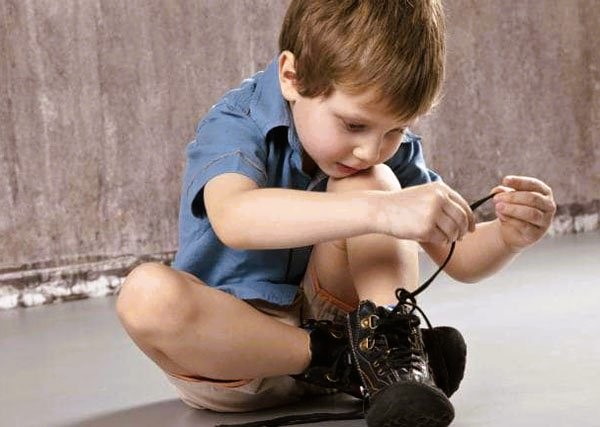
Tip: Offer constructive criticism alongside praise to help them improve while feeling supported.
Step 5: Mastery and Repetition
“Practice Makes Perfect”
Objective: Reinforce learning through regular practice to achieve mastery.
How to Do It:
- Encourage the child to practice the activity regularly.
- Incorporate the activity into daily routines.
- Provide opportunities for the child to use the skill in different contexts.
Example: Encourage the child to tie their shoelaces every day when putting on their shoes. Over time, their technique will improve, and they will become more proficient.

Tip: Keep the practice sessions short and fun to maintain their interest and motivation.
Additional Tips for Effective Teaching
- Patience and Encouragement: Always be patient and provide continuous encouragement. Celebrate small victories to keep the child motivated.
- Positive Reinforcement: Use praise and rewards to reinforce positive behaviors and successful attempts.
- Adapt to Learning Styles: Adapt your teaching methods to suit the child’s learning style, whether they are visual, auditory, or kinesthetic learners.
By following these steps, you can effectively teach children new skills and concepts, helping them gain confidence and competence through structured and supportive practice.
For more tips and resources on effective teaching methods, visit the National Association for the Education of Young Children (NAEYC) and the Harvard University Center on the Developing Child.
Join to get learning dose for you and your child every Saturday!
 Sun's Paradise